






























ZEEKR 7X
- Body type
- SUV
- Drivetrain
- RWD
- Brand
- Zeekr
- Fuel / energy
- BEV
- Range
- 620 km CLTC
- Battery capacity
- 75 kWh
Export price on enquiry
Explore this car ↗CHINESE EVs. CLEAR CHOICES. YOUR NEXT MOVE.
Explore cars
Service guide

CHOOSE YOUR NEXT MOVE
Compare BEV, PHEV, HEV, EREV and petrol model families from China. Start with your charging access, route and passenger needs.
Explore the buying guide ↓172 vehicles · Exact specifications vary by trim.
Export price on enquiry
Explore this car ↗
Export price on enquiry
Explore this car ↗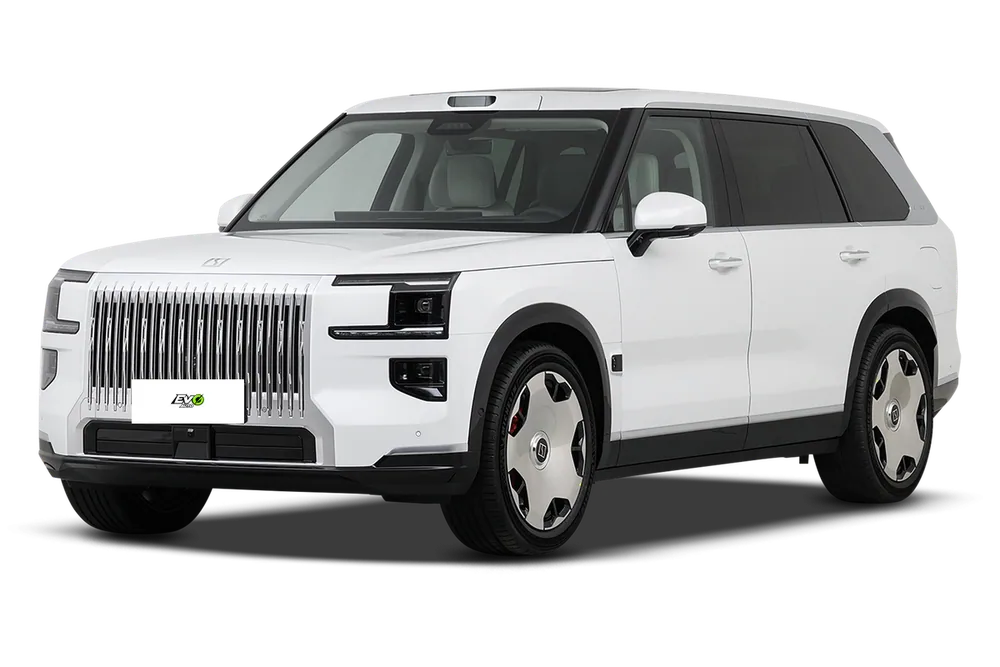
Export price on enquiry
Explore this car ↗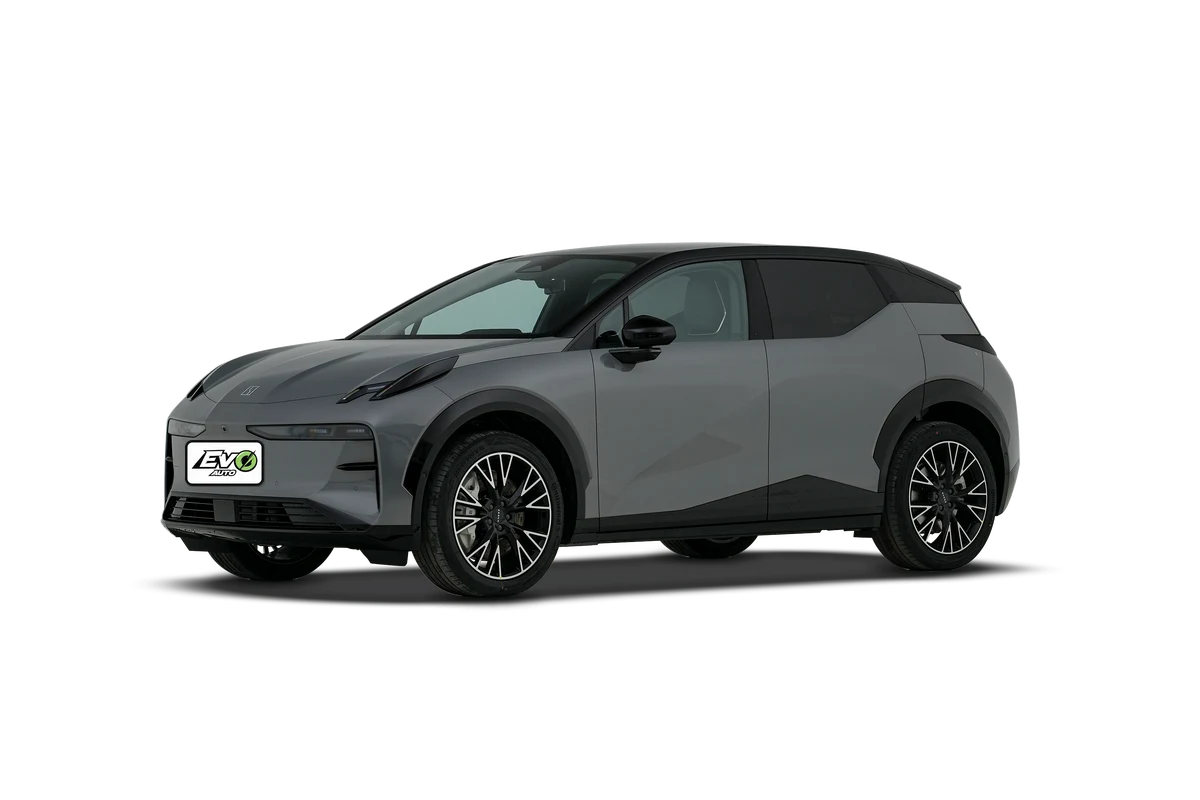
Export price on enquiry
Explore this car ↗01 / DEFINITION & TYPES
A vehicle energy type describes how a vehicle stores energy and converts it into driving power. It is independent of body style: a sedan, SUV or MPV can use several different powertrains.
02 / HOW IT WORKS
Combustion engines convert fuel energy into crankshaft rotation for propulsion or electricity generation.
Power electronics regulate electrical energy delivered to traction motors.
HEV and PHEV systems balance engine and electric operation. EREV systems use an engine-generator with electric traction.
An electrified drivetrain may generate electricity while slowing, alongside conventional braking.
03 / FEATURES & ADVANTAGES
BEVs use externally charged battery energy and provide no driving tailpipe exhaust.
HEVs combine an engine and motor without requiring external charging.
PHEVs and EREVs add externally rechargeable battery use alongside a fuel supply.
Petrol vehicles retain a fuel-based propulsion system without a plug-in charging routine.
04 / TECHNOLOGY DEVELOPMENTS
SEA and GWM DHT illustrate parallel development of battery-electric and hybrid architectures in China.
Read the manufacturer update ↗
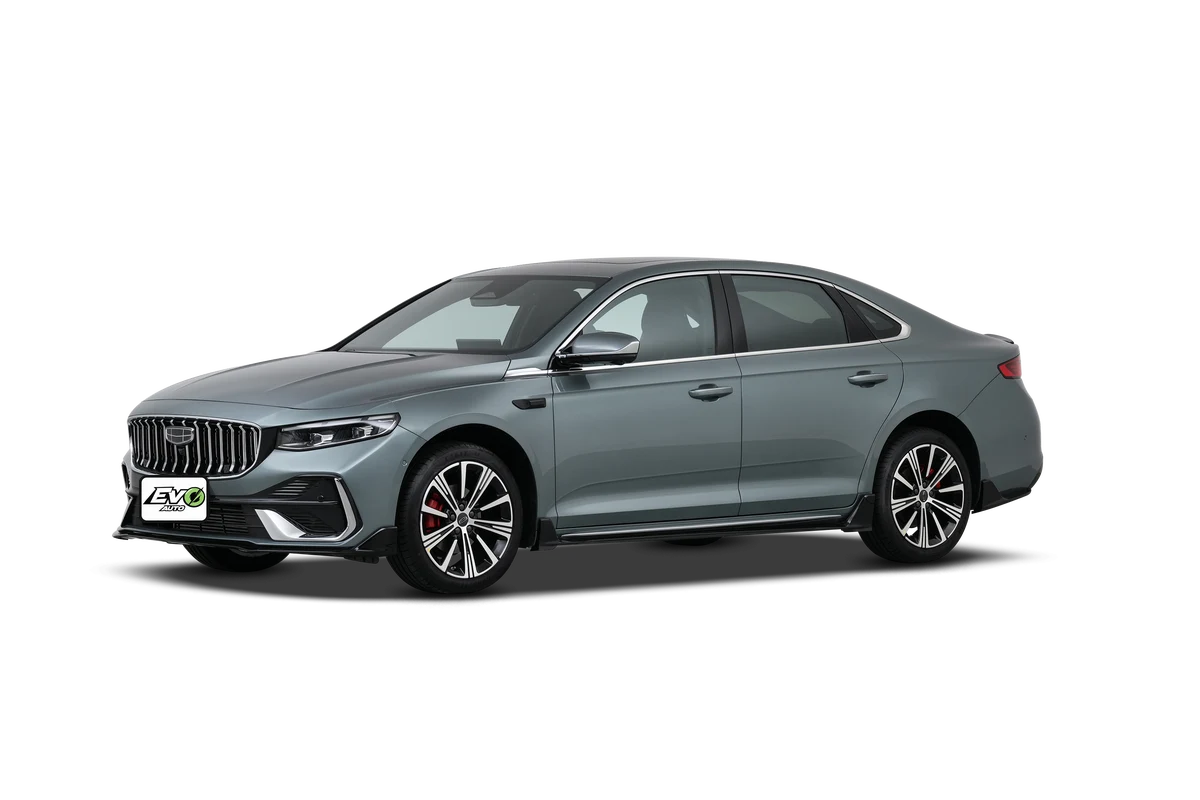
Geely and GAC introduced electrified sedans and MPVs, broadening the application of different powertrains.
Read the manufacturer update ↗
Geely’s i-HEV introduction shows non-plug-in hybrids developing alongside BEV, PHEV and EREV programmes.

05 / BEST CHINESE MODELS
The best choice depends on the intended use. These model families provide concrete comparison points; request the exact version before making a decision.
Explore ZEEKR X as a battery-electric SUV starting point.
Request the Geely Preface HEV version for non-plug-in hybrid comparison.
Compare the Li Auto L6 family for range-extended SUV use.
06 / CHOOSE EVO AUTO
EVO AUTO helps you source the right vehicle energy types around a clear export brief.
| Question | HEV | PHEV | BEV |
|---|---|---|---|
| Plug-in charging? | No external charging | Yes; charging is central to electric use | Yes; electricity supplies propulsion |
| Petrol engine? | Yes | Yes | No |
| Best starting point | No reliable charging, mixed daily routes | Regular charging plus longer trips | Reliable charging and a suitable route |
| Compare carefully | Like-for-like fuel consumption | Electric range and charge-depleted consumption | Usable range, charging curve and connector |
No. SUV describes a body format. BEV, HEV, PHEV, EREV and petrol describe energy or powertrain choices.
Compare a non-plug-in HEV and a conventional combustion vehicle first. Assess fuel use and local support; a PHEV should also be evaluated under uncharged use.
Different trims or generations can share a name while using different powertrains. Ask for the complete vehicle configuration.
Use brand, body type, drivetrain and energy filters, then check range and battery figures against the named trim and test cycle.